As AI becomes more integrated into discovery engines, companies’ risk having their products and services overlooked if they aren’t following the proper steps. Traditional Google searches that drive traffic through clickable links are giving way to AI-powered search experiences that provide direct answers.
Forbes’ reports that 60% of traditional searches now yield ‘no clicks at all’, as AI-generated answers satisfy most users. Such reports reveal a concerning trend for businesses: users are increasingly bypassing traditional search results in favour of AI overviews or heading straight to platforms like ChatGPT and Perplexity for instant answers. Instead of typing keywords into a search engine like Google, people are asking ChatGPT questions like “best running shoes under $200.” The response is not a list of ads but a conversational answer with product cards, reviews, prices, and links.
This evolution isn’t shrinking your audience; it’s simply changing where they search. Traditional SEO is still important, but there a few things you need to do to ensure that you are chosen to appear in AI-generated recommendations.
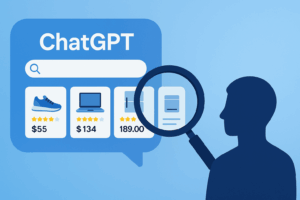
The key to appearing in ChatGPT search results lies in understanding how the system discovers your content. Like traditional search engines, ChatGPT employs a web crawler called OAI-SearchBot to find, access, and surface information across the internet. Companies that delay recognising this shift risk being invisible to customers, as people slowly depend increasingly on chatbots like ChatGPT.
Step 1: Don’t Block the Bot
The most crucial step is ensuring you haven’t accidentally opted out of OpenAI’s search crawler. Check your robots.txt file to confirm that OAI-SearchBot has access to your site. If you’ve previously blocked AI crawlers broadly, you may need to create specific allowances for OpenAI’s search bot while maintaining restrictions on training crawlers.
It’s important to note that OAI-SearchBot serves a different purpose than OpenAI’s model training crawlers. This bot specifically focuses on linking to and surfacing websites in search results. It’s not used to train AI models.
Step 2: Track Your Success
Publishers who allow OAI-SearchBot access can monitor their performance using standard analytics tools. ChatGPT automatically includes the UTM parameter utm_source=chatgpt.com in referral URLs, making it easy to track traffic from AI search results in Google Analytics or similar platforms.
Step 3: Optimise Your Content
While allowing crawler access is essential, forward-thinking businesses should consider additional strategies:
- Create Clear, Comprehensive Content: AI systems excel at understanding context and intent. Ensure your product descriptions, service pages, and content clearly explain what you offer, who it’s for, and why it’s valuable.
- Focus on User Intent: Instead of just optimising for keywords, think about the questions and problems your target customers are trying to solve. Create content that directly addresses these needs.
- Maintain Updated Information: AI systems value fresh, accurate information. Keep your product details, pricing, and availability current.
Brands that move now gain a first-mover advantage. Brands that hesitate risk being filtered out of the new discovery layer altogether.
Understanding how AI search affects your business is just the beginning. At Intelligence Assist, we help businesses like yours build an AI Blueprint for thriving in this era of AI.
Don’t let your competitors get ahead, contact Intelligence Assist today to discover what AI means for your business and how to harness its potential for sustainable growth.